Component Obsolescence in PCB SMT Assembly
Component obsolescence is one of the most serious challenges facing electronic manufacturing companies. Even the most reliable PCB designs can be rendered unmanufacturable in a heartbeat when a key component goes end of life (EOL). Obsolescence can also drive up production costs and increase lead times, making your product less competitive. The solution to this problem is not only planning for EOL announcements, but being able to respond quickly when they do occur.
The life cycles of electronics components continue to shrink, and a design that used parts that were available a few years ago can be rendered obsolete virtually overnight. With the rapid pace of technology innovation, manufacturers need to continuously refine and improve their products in order to remain competitive. However, these new products often require components that are not yet available. Therefore, a manufacturer needs to be prepared for the inevitable component shortages that are caused by the continuous life cycle reductions.
In most cases, the earliest warning signs of a pending component obsolescence come from the original supplier. The original equipment manufacturer (OEM) will often issue a notice of EOL to customers. This usually means that the product will no longer be produced and that it is time to begin searching for a suitable replacement.
For most companies, the best way to avoid a redesign due to EOL is to work with a pcb smt assembly design firm that uses an advanced component management tool. These tools are able to monitor part availability and anticipate EOL dates in advance. They are also able to notify engineers of the upcoming shortages so that they can plan accordingly. These types of tools can help reduce costs by allowing companies to source parts from multiple vendors before the price increases that are typically seen when a component is going EOL.
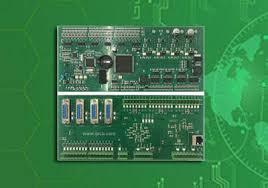
How to Manage Component Obsolescence in PCB SMT Assembly
When a component becomes obsolete, it can be very difficult to find a substitute. Depending on the severity of the shortage, a company may need to redesign their product to accommodate an alternative or may need to wait until the original part is available again. In many cases, the impacted component is an active component, such as a microprocessor or an integrated circuit. Using a newer version of the same chip could result in a significant decrease in performance.
Another issue is that some obsolete parts can be hazardous and may contain toxic materials. This is especially important when designing a PCB to be RoHS compliant, as the RoHS regulations require that all solder be free from hazardous metals such as lead.
Fortunately, there are many reputable distributors that offer a wide range of components that can be used in place of obsolete ones. In addition, most Electronics Contract Manufacturers have in-house engineers that can assist with redesigns and reverse engineering, which can make up for any shortcomings caused by a component becoming obsolete. This is why it is so important to choose an ECM with an existing, trusted network of vetted suppliers that can provide the right parts without the risk of sourcing from disreputable sources.