ceramic PCB
As the world continues to evolve with smaller, more powerful electronic devices and systems, the need for high-performance, reliable, and durable printed circuit boards (PCBs) has grown. This has led to the development of ceramic PCBs—specialized circuit boards designed for environments where conventional electronics may fail or underperform.
ceramic pcb board offer superior thermal performance, ruggedness, and chemical resistance compared to traditional PCB materials. They are also capable of handling higher current loads and operating temperatures, making them well-suited for applications in harsh environments where other types of PCBs would degrade or even melt. These specialized PCBs can help to increase the lifespan of electronic devices by reducing their susceptibility to damage and failure.
Unlike standard PCBs, which are made of glass epoxy, FR-4, or aluminium, a ceramic pcb board is an ultra-thin composite structure. It offers outstanding electrical insulation and thermal conductivity, while still being able to be etched as easily as a regular PCB. This makes it a good choice for applications that generate high heat, such as solar energy equipment or high-brightness LEDs.
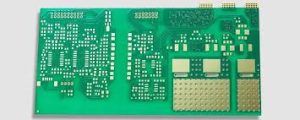
Can ceramic PCB boards be used in harsh environments?
To create a ceramic PCB, thin sheets of ceramic material are first formed into substrates. Conductive materials, such as silver or gold pastes, are then applied to the surface using screen printing or inkjet printing techniques to create a desired circuit pattern. Vias, or holes, are then drilled using laser or mechanical drilling techniques to establish connections between layers. The conductive patterns and vias are then fired or fused into the substrate to form a solid and durable circuit structure.
Next, components, such as surface-mounted devices (SMDs), are attached to the ceramic PCB using soldering or specialized adhesives. Depending on the specific design, additional layering can be implemented to establish signal and power planes as well as insulating layers. Finally, the entire assembly undergoes a series of inspections and tests to ensure it functions properly and meets the specified requirements for its application.
A ceramic pcb has better thermal conductivity than other PCB materials, which improves the efficiency of power and signal transmissions. This can benefit devices that are used in hot environments, where heat can quickly dissipate if the device isn’t properly designed. Proper thermal management is crucial to ensuring the stability of the device and the longevity of its components. This involves careful consideration of the design’s thermal profile and placement to minimize overheating and reduce EMI interference.
Choosing the right type of ceramic substrate is also important. While aluminum oxide is an affordable option, it has lower thermal conductivity than other ceramics like beryllium oxide or aluminum nitride. In addition to selecting the correct substrate material for the design, engineers should also pay attention to manufacturing processes and equipment that are compatible with the ceramic materials to avoid damaging the circuit board. Thorough testing and inspection can identify potential issues before they become a problem and help to protect the device from damage or premature failure in harsh environments.