flex circuit boards
Medical wearables and implantable devices must be able to bend, twist and conform to the body. This translates into a more ergonomic design that increases comfort and user satisfaction, especially over the long-term. Flex circuit boards can withstand these stresses better than rigid PCBs, which makes them perfect for the needs of medical device manufacturers.
The most common flex PCB material is polyimide film. It is bio-compatible, meaning it does not cause any kind of allergic reaction when it comes into contact with the skin, and has been approved by the FDA for this purpose. It is also a tough material that is highly tolerant to repeated solder reflow cycles and thermal expansion and contraction.
Conductors in a flex circuit boards are typically etched from copper foil. This is because it is an economical, flexible, and electrically conductive material. However, copper is infamous for work-hardening and fatigue cracking under repeated creasing. When it comes to flex PCBs, using higher-grade, rolled annealed copper foil can help to prevent these issues. Rolled annealing allows the copper to stretch much farther before fatigue cracking occurs, which can help reduce the stress on the traces during repeated bending and movement.
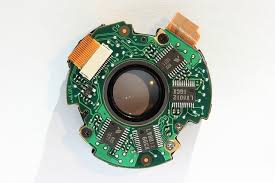
Can flex circuit boards be used in medical devices?
Other materials are available for flex PCBs, such as carbon and fiberglass. These materials can be used for a variety of different applications. These materials can be attached to a flex PCB with various types of adhesives, including acrylic, epoxy, and pressure-sensitive. Stiffeners can also be used to add additional structural support to the flex circuit.
Another important consideration is impedance control and signal integrity. This is important to maintain, even when the traces are repeatedly bent. Choosing a reference plane layer with an appropriate impedance value is essential to ensure that the flex circuit can transmit signals at an acceptable rate, even after being bent.
Controlling impedance isn’t just a matter of ensuring that signals can be transmitted, it’s also about preventing excessive losses in the form of heat and current. The reference plane layer should be a good match with the impedance of your traces, which can be achieved by using a dielectric with a low relative permittivity.
Other considerations for flex circuits are the type of surface finish and adhesives used. The surface finish is what protects the copper traces from oxidation and provides a solderable surface. There are several different options for PCB surface finishes, including bare copper, electroless nickel immersion gold, and silver ink. Choosing the right finish will depend on your application and budget. Stiffeners are also a great option for flex circuits, as they can provide rigidity to SMT, connectors, and other areas on the board. They can also be used to relieve strain, balance weight and heat dissipation, and increase abrasion resistance. They can be applied using thermally cured acrylic or epoxy adhesives.