role do printed board assembly play in electronic textiles
A wearable electronic textile, or e-textile, is a fabric integrated with electrical sensors and circuits to monitor and control the function of an attached device. These garments are used in a variety of applications including medical, sports, PPE, fashion, shelter, defense, and aerospace. These garments have the potential to improve and enhance performance in a number of physical activities by providing feedback on performance, monitoring health conditions, and assisting with rehabilitation of certain conditions [1].
In order for these garments to operate properly, they must have high signal integrity. This is because the signals that are transmitted between a wearable and its device need to be clear in order for the device to process them. Printed circuit board assembly is one of the most efficient methods for ensuring this signal clarity. Using the right tools, techniques, and inspections during assembly will help to prevent errors that may cause the e-textiles to malfunction.
printed board assembly are the basis for all electronic devices, from computers to smart watches. Depending on their size and complexity, a PCB can be made out of single- or double-sided copper. Single-sided PCBs are the simplest and most inexpensive, while multi-layered ones are the most complex and expensive. The components on a PCB are connected by printed circuits, which can be made either by surface-mount technology or through-hole technology. Surface-mount technology uses adhesives to hold the components in place until they can be soldered, whereas through-hole technology involves drilling holes into the board and inserting the components into them.
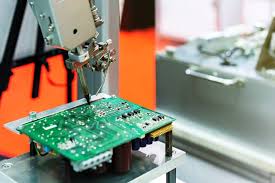
What role do printed board assembly play in electronic textiles?
The first step in printed circuit board assembly is designing the circuit. This includes creating a schematic and laying out the components on the board. Once the design is complete, the next step is selecting and purchasing the appropriate components and assembling them onto the board. This can be done by hand or with automated equipment, such as a pick-and-place machine. A pick-and-place machine uses mechanical or even vacuum-based movements to take a component from a feeder and put it into the correct position to be soldered, reducing costs and human error in at-scale production.
Regardless of the method used, printed circuit board assembly should be conducted by a qualified manufacturer. A quality manufacturer will use the right techniques and tools to ensure that all components are placed correctly, which will increase the functionality of the finished product.
They will also inspect the board after assembly to make sure that all components are functioning properly. In addition, a quality manufacturer will test the board to make sure that it works as intended before shipping it out to the customer. If you are unsure about the qualifications of a printed circuit board manufacturer, ask for proof of their certifications. This will give you peace of mind that your product is in good hands. Choosing the right manufacturer can have an immense impact on the success of your project.