Equipment Are Used in Flex PCB Supplier
Whether you’re designing the latest wearable tech or the cutting edge of aircraft and automotive electronics, flexible circuit boards are the powerhouses behind these innovative technologies. The ability to withstand dynamic movements, rapid pressure and extreme conditions makes them crucial for many applications where rigid PCBs just wouldn’t work.
The key to a quality flex pcb is working with a supplier that understands how to design and fabricate them. There are several factors you should look for, including their quality, experience and customer service. The best flex pcb supplier will be fully engaged with their customers throughout the process, and provide valuable opinions that will help refine your designs. They also offer excellent communication and practice effective time management.
A flex PCB can be made from a variety of materials, with the most common being polyimide or polyester (PI or PET). The core layer is then coated with copper foil. This copper is typically rolled or annealed, adding to the flexibility and ductility of the board. The copper layer is then etched to make the necessary circuits.
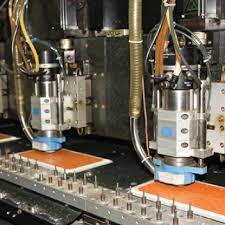
What Types of Equipment Are Used in Flex PCB Supplier?
This is where the flexibility of a flex PCB really shines, as it allows for the etching to be performed with a relatively high-speed process. The result is a highly reliable, flexible circuit that can withstand the kind of dynamic movement and high-temperature fluctuation found in most industrial and commercial applications.
To finish the job, a flex circuit is often combined with what’s called a stiffener, which adds strength to certain non-flexing areas of the board. Stiffeners can be FR-4 or polyimide, and are either laminated to the flex or adhered using a PSA (pressure sensitive adhesive). This makes the resulting hybrid circuit durable enough for its intended application.
Flex circuits can also be embellished with graphic overlays, which are acrylic or polyester covers that allow for user interaction and information display. These can include LEDs, LCDs and switches, allowing the end-user to control or monitor the circuit. The overlays can even be engraved with a logo or other graphics to make the finished product more attractive.
Depending on the complexity of the circuit and the requirements for manufacturing, a flex PCB may require other features. These may include a hot bar solder connection, which eliminates the need for a connector between a hardboard and a flex circuit by enabling the two to connect directly via soldering. This is an important feature to consider, as it can significantly reduce the overall cost of production. A flex circuit may also need positioning holes, which are drilled to fix the PCB during electrical testing and etching. In addition to this, a flex circuit can be encapsulated in a protective film for additional protection against electromagnetic interference.